Arcadia Alternative | Nectar
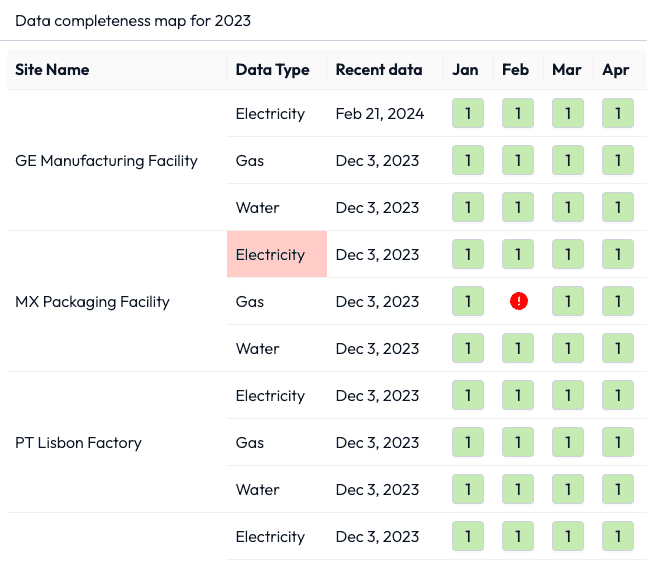
Unlike Arcadia, Nectar provides a complete data completeness view showing consumption data points for any time period at any level of granularity. One-click actions help audit and fill gaps, with every data point linked to the audit trail.

Arcadia is the best-known utility data platform in the United States, and since absorbing Urjanet in 2022 it carries two of the market’s original data feeds under one roof. It is sold primarily as a developer API: you get access to utility accounts, billing records, and interval data, and you build the application on top.
For an engineering team with a product to ship, that is a reasonable trade. The API is mature, the documentation is good, and the integration ecosystem is the largest in the category. What you are buying is records.
Nectar sells the same underlying capability with the layer above it already built. Coverage spans more than 7,000 utility providers globally rather than a US-centerd footprint. Every bill is parsed to line-item level (demand, supply, delivery, taxes, and fees as separate values) at 99.2% accuracy, with human QA on anything the model flags. Completeness is a live product surface rather than something you infer, and every value links back to the bill image it came from.
Challenge
Facility managers respond to data requests too late.
Solution
Nectar automatically connects to your online utility accounts and pulls in new bills, keeping your data current for reporting. The data completeness page is always up to date.
Challenge
Filling data gaps requires too many emails and back-and-forths.
Solution
When data gaps appear, Nectar automatically reminds site managers to upload data, or you can send custom reminders from the data completeness view.
Challenge
Limited parsing accuracy means bills need manual review and correction.
Solution
Nectar parses bills at 99.2% accuracy with automatic error detection, and flagged bills get human QA so your data is reliable from day one.
What a raw feed leaves you to build
The first integration against a utility data API is fast, which is why the total cost is routinely underestimated. The work that follows is deciding what should have arrived and did not, distinguishing an estimated read from a metered one, retaining bill images so a figure can be evidenced months later, and noticing when a provider quietly changes its bill format.
That cost usually surfaces around month nine, when somebody asks why a site’s consumption dropped and the answer turns out to be that three bills never arrived and nothing flagged it. Nectar treats each of those as product surface rather than integration work, which is the difference between shipping a feature and maintaining data infrastructure.
Where Nectar fits
Choose Arcadia if you have engineering capacity, are building a product on US utility data, and want the largest existing integration ecosystem. Choose Nectar if you want the data layer rather than the feed: global coverage, line-item parsing at a published accuracy figure, completeness you can see, and an audit trail to every source bill, available through an API or a working application.
Frequently asked questions
Does Nectar offer an API like Arcadia does?
Yes. The full validated dataset is available through an API, and it is a core use case: brokers, ESCOs, and climate software companies build on it. The difference is that parsing depth, completeness tracking, and provenance come with the feed rather than being yours to build.
How does provider coverage compare?
Nectar publishes coverage of more than 7,000 utility providers globally. Arcadia does not publish a single coverage figure and is US-centerd. The number that matters is the overlap with your own provider list, so ask both vendors what percentage of your specific accounts they automate on day one.
What does line-item parsing change in practice?
It lets you separate a rate change from a consumption change. Without it you can report a total but cannot explain it, cannot detect a misapplied rate schedule or an incorrectly applied demand charge, and cannot tell a price increase from a usage increase.
We are migrating off legacy Urjanet contracts. What should we check?
Historical continuity, before anything else. The integration work is usually days; rebuilding a consumption baseline is what makes a migration expensive. Confirm in writing what history transfers and in what format, from any vendor you evaluate.
One platform for every utility decision
Utility bill management, energy cost management and procurement, and sustainability reporting in one system, shared by energy, finance, operations, and sustainability teams.
Utility bill management
Every bill for every utility, waste, and telecom account collected, parsed at the line-item level, and tracked against its expected date.
Automated bill collectionData completenessAudit trailAI agent and smart reports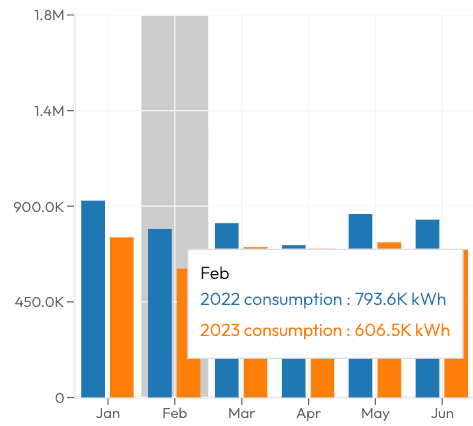
Sustainability reporting and benchmarks
Audit-ready data for ESG reporting, site benchmarks, ENERGY STAR sync, and exports to carbon accounting platforms.
BenchmarksENERGY STAR Portfolio ManagerESG and carbon integrationsWaste and recycling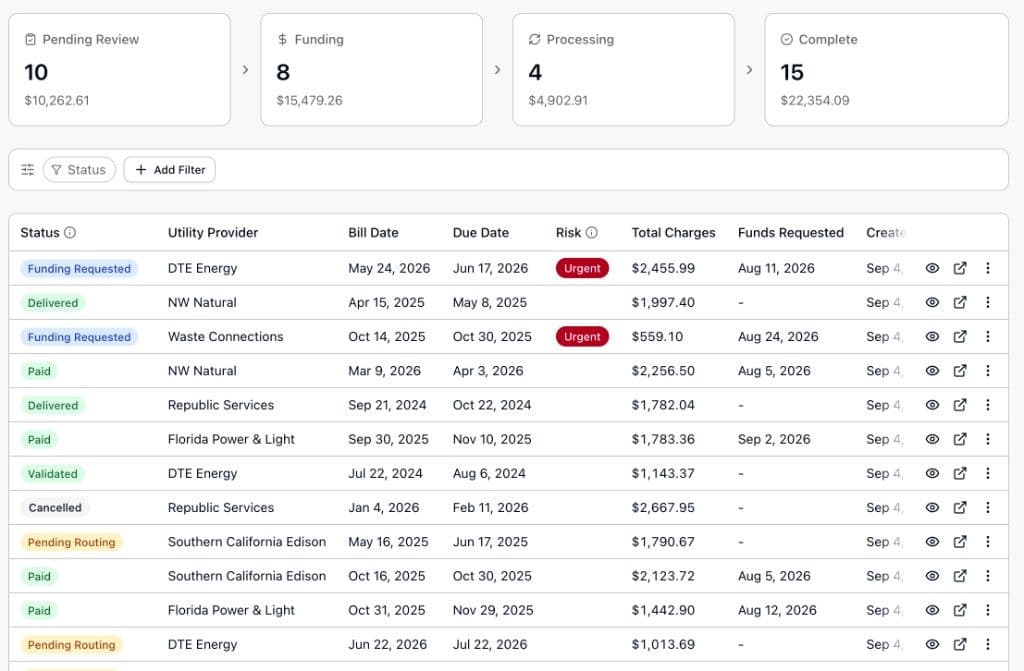
Bill audit, bill pay, and AP
Errors caught before payment, past overcharges recovered, and validated bills paid on time or delivered to your AP system.
Utility bill auditsHistorical bill auditUtility bill paymentsAP and ERP integration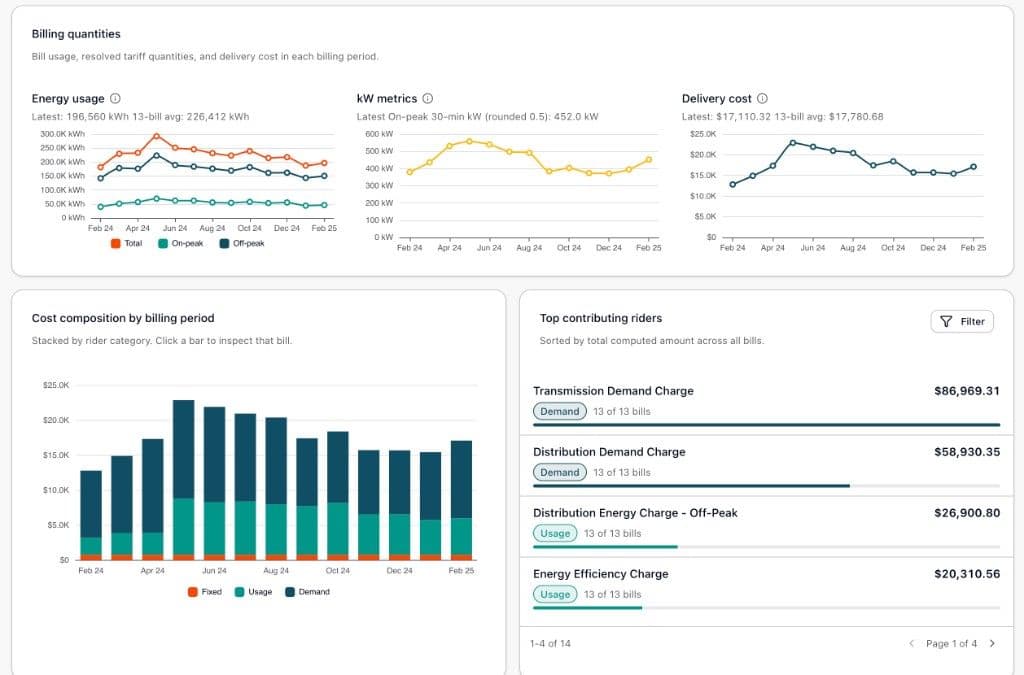
Energy cost management and procurement
Tariff and rate optimization, demand management, and procurement advisory. Customers typically save 3 to 5% of annual utility spend.
Tariff and rate optimizationDemand managementProcurement advisoryBudgeting and forecastsLoved by customers in every industry
Customer StoriesHow Thomas Foods automated more than 90% of its utility data collection
Thomas Foods International uses Nectar to collect and organize utility data across its US facilities, replacing manual bill downloads and spreadsheet entry.
“Using Nectar has significantly streamlined the process of gathering and analyzing our utility data. The platform just works!”

Jonathan R.
Sustainability Director, Thomas Foods Int., USA
Stanwich Energy Boosts Client Value with Nectar's Utility Data Solution
Stanwich Energy announces a new partnership with Nectar to enhance the customer experience through advanced, AI-powered utility data services.
“Partnering with Nectar's AI-driven platform has been groundbreaking, allowing us to tackle changes faster and skip the outdated, painful integration required by other solutions. Having the right information is the first step, and Nectar is exactly what we have been looking for to make that happen.”

Matt Shaw
Managing Director, Stanwich Energy

Jeremy Pike
Sustainability Leader, Idaho Milk Products
“Thanks to Nectar's innovative solution, we can accurately assess our environmental impact, becoming a pioneer in sustainability among our peers.”

John O'Connell
CEO and Founder, Stanwich Energy
“Nectar enables faster insights, smarter forecasting, and more accurate budget tracking. It also strengthens our ability to deliver on key sustainability goals by providing real-time visibility into usage and emissions.”

Matt Greening
Founder and Director, Nettzero
“Nectar serves as a reliable and cost-effective technology solution to extract, store, and analyse sustainability data leading to enhanced reporting capabilities and streamlined workflows.”
Ready to get started with Nectar?
Try your utility bill on our live demo or get in touch
Learn more about Nectar
How hard can data collection get? What has worked for companies? We've got it all covered.
Utility bill management and AI
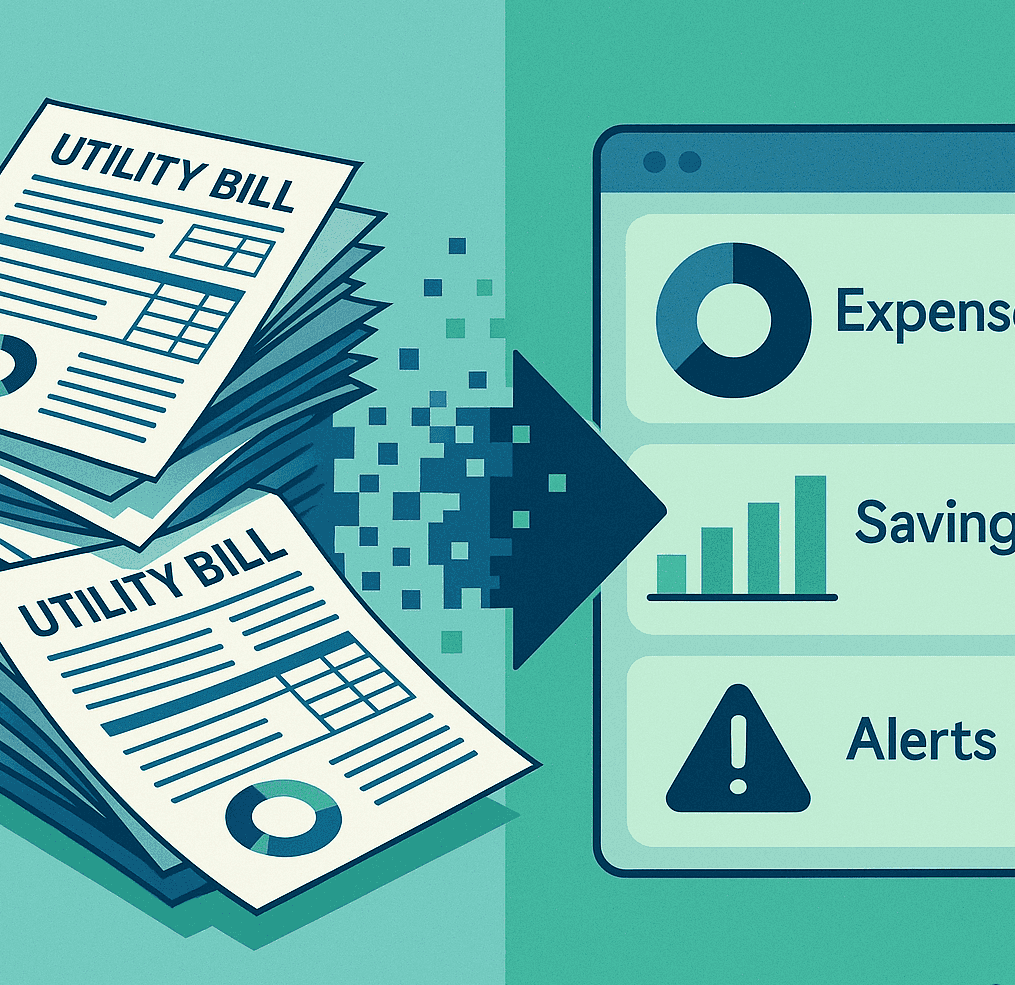
How AI changes utility bill management, from automated data extraction and anomaly detection to centralized control of utility spend across a portfolio.
Read more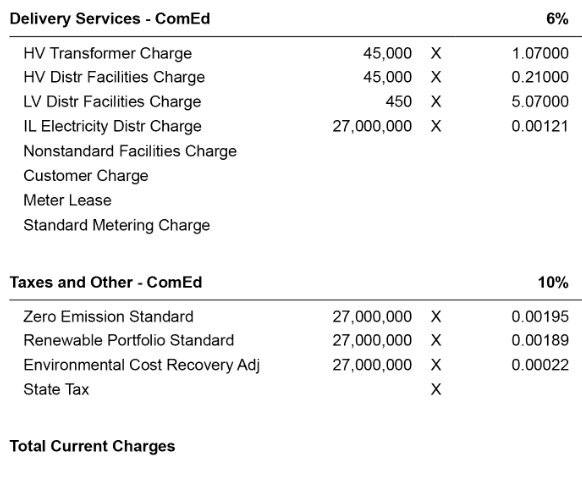
How Nectar parses granular utility cost data
How Nectar separates supply, delivery, and demand charges on every bill, so energy and finance teams can see exactly what drives utility spend.
Read more
Carbon accounting requires accurate utility data collection
Carbon accounting has 3 steps: data collection, emissions calculation, and data reporting. Error rates of 10% in data collection compound into worse error in the CDP report. Garbage in, garbage out.
Read more