Energy and utility management for healthcare
Hospitals cannot power down during a price spike, and a missed utility payment at a clinical site is a patient safety issue. Nectar collects and validates every utility bill across hospitals, clinics, and medical offices, pays them on time, and finds savings in tariffs, tax exemptions, and billing errors without touching operations.
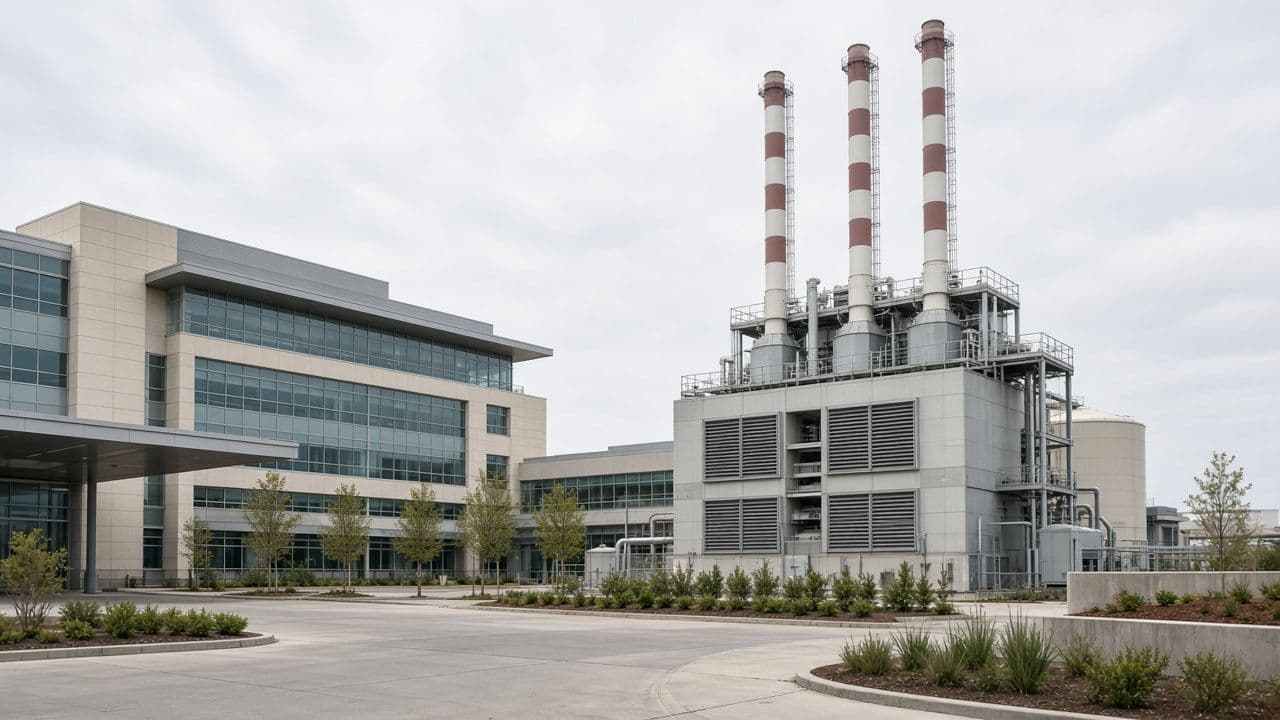
Hospitals are among the most energy-intensive building types. They run around the clock, condition air to strict standards, and rely on steam, natural gas, and backup fuel as well as electricity. A health system adds dozens or hundreds of clinics, medical office buildings, and labs, each with its own accounts and utilities.
Health systems also face pressure from boards, communities, and climate commitments to report and reduce emissions, and many nonprofit systems pay taxes on utilities they may be exempt from. Nectar gives facilities, finance, and sustainability teams one validated data set across every site.
Challenge
A missed payment can threaten service at a clinical site.
Solution
Nectar pays US utility bills on time through regulated payment partners, escalates bills as due dates approach, and forwards disconnection notices to site contacts within one business day.
Challenge
Hospitals and hundreds of clinics have no single view of utility spend.
Solution
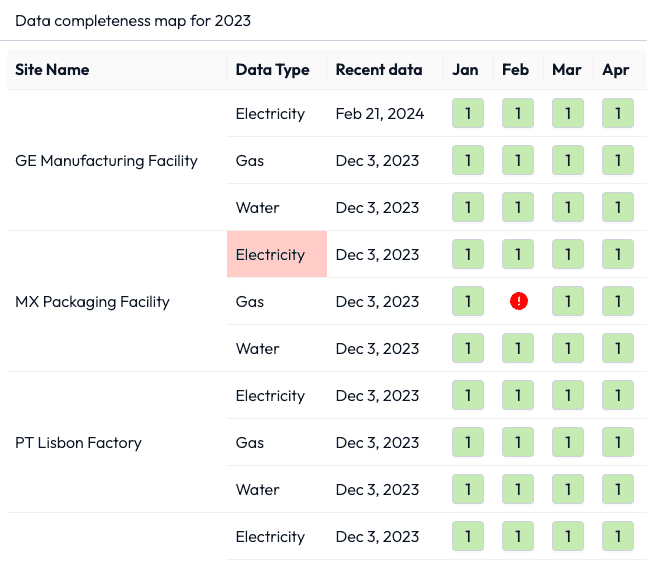
Bills for every site are collected from 7,000+ utilities and parsed at the line-item level, with missing and late bills tracked by site and every value linked to its source bill.
Challenge
Tax-exempt sites pay sales and utility taxes anyway.
Solution
Each account is checked for tax treatment against its site and use. Nectar files for refunds on past bills where a site qualifies and corrects the exemption going forward.
Hospitals and clinics in one view
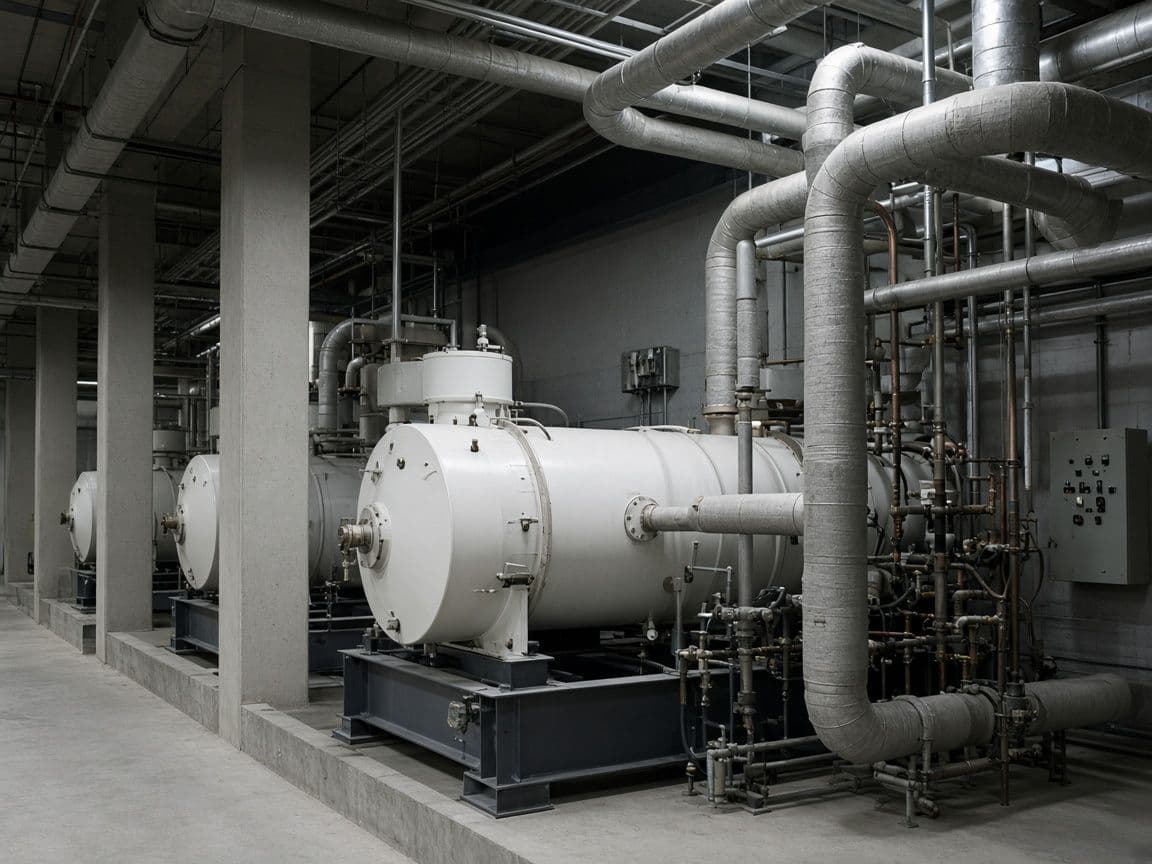
Electricity, natural gas, steam, water, fuel, and waste are tracked for every hospital and ambulatory site. Hospitals are compared with each other and clinics with clinics, on cost and energy intensity, with weather-normalized trends and custom variables such as licensed beds or patient visits.
Property data stays synced with ENERGY STAR Portfolio Manager, which scores hospitals and medical offices, and data exports to your carbon accounting platform with an audit trail.

Budgets and capital planning
Saved budget and forecast scenarios for each site and commodity track actuals and variance as bills arrive. Every electric and gas account is reviewed against the rate schedules it qualifies for, and a historical bill audit reviews up to 36 months of past bills for errors, refunds, and exemptions.
Energy projects are recorded with their cost and expected savings and measured against a weather-normalized baseline, so the next capital request is based on measured results.
Why healthcare teams choose Nectar

Data
Every bill for every hospital, clinic, and office parsed at 99.2% accuracy, with completeness tracked by site and every value linked to its source document.
Automation
Bills collected and validated as they are issued, paid on time with escalating reminders, and synced with ENERGY STAR and your carbon platform.
Service
Disconnection notices forwarded within one business day, tax exemption refunds filed, and a named customer success manager for your health system.
What changes for healthcare teams
Every clinical site paid on time
Before Nectar, utility bills waited in inboxes and occasionally triggered shutoff notices. After, bills are validated and paid before their due dates.
→ Utility bill paymentsTax exemptions applied
Before Nectar, exempt sites paid sales and utility taxes on every bill. After, exemptions are applied and past taxes are refunded where a site qualifies.
→ Historical bill auditENERGY STAR scores kept current
Before Nectar, hospital benchmarking was updated once a year. After, property data stays synced with Portfolio Manager.
→ ENERGY STARIncentives claimed for upgrades
Before Nectar, rebates for lighting and HVAC upgrades went unclaimed. After, applications are prepared and tracked through to payment.
→ Projects, rebates, and grid programsFrequently asked questions
Does Nectar change how our hospitals operate?
No. Nectar works from utility bills and interval data, not building controls. Savings come from tariffs, billing errors, tax exemptions, procurement, and projects you approve.
Can Nectar recover sales tax paid by tax-exempt sites?
Where a site qualifies, Nectar files for refunds on past bills, generally up to 36 months or longer where a utility accepts claims, and corrects the exemption going forward.
Does Nectar track steam and backup fuel?
Yes. Steam, fuel, and waste are collected alongside electricity, gas, and water, so Scope 1 and 2 inputs for each site come from one data set.
One platform for every utility decision
Utility bill management, energy cost management and procurement, and sustainability reporting in one system, shared by energy, finance, operations, and sustainability teams.
Utility bill management
Every bill for every utility, waste, and telecom account collected, parsed at the line-item level, and tracked against its expected date.
Automated bill collectionData completenessAudit trailAI agent and smart reports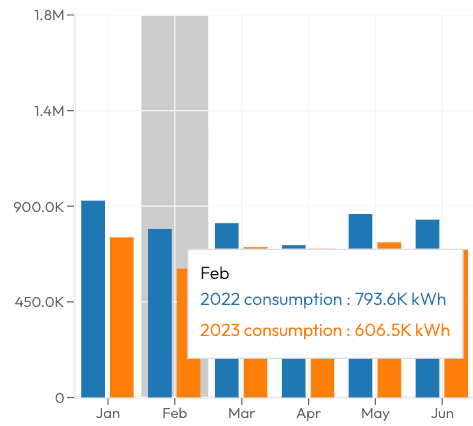
Sustainability reporting and benchmarks
Audit-ready data for ESG reporting, site benchmarks, ENERGY STAR sync, and exports to carbon accounting platforms.
BenchmarksENERGY STAR Portfolio ManagerESG and carbon integrationsWaste and recycling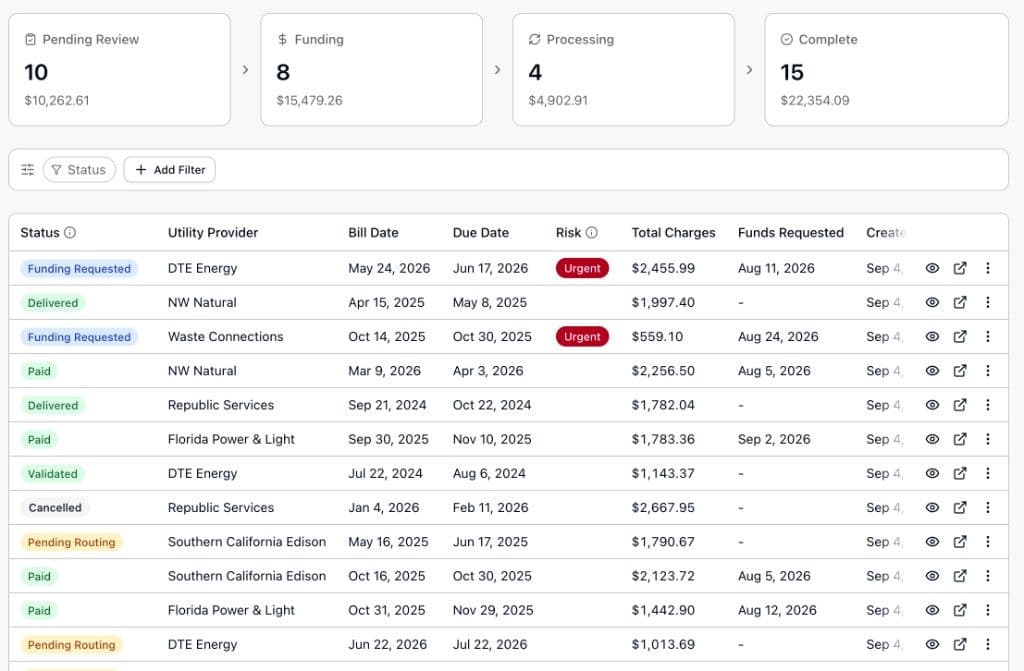
Bill audit, bill pay, and AP
Errors caught before payment, past overcharges recovered, and validated bills paid on time or delivered to your AP system.
Utility bill auditsHistorical bill auditUtility bill paymentsAP and ERP integration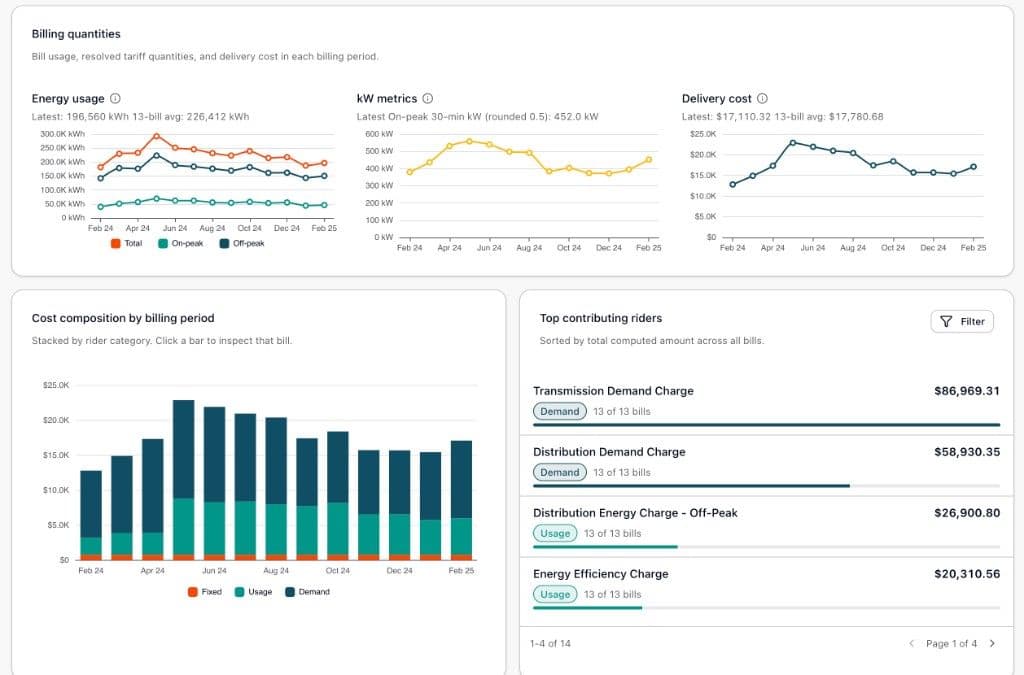
Energy cost management and procurement
Tariff and rate optimization, demand management, and procurement advisory. Customers typically save 3 to 5% of annual utility spend.
Tariff and rate optimizationDemand managementProcurement advisoryBudgeting and forecastsLoved by customers in every industry
Customer StoriesHow Thomas Foods automated more than 90% of its utility data collection
Thomas Foods International uses Nectar to collect and organize utility data across its US facilities, replacing manual bill downloads and spreadsheet entry.
“Using Nectar has significantly streamlined the process of gathering and analyzing our utility data. The platform just works!”

Jonathan R.
Sustainability Director, Thomas Foods Int., USA
Stanwich Energy Boosts Client Value with Nectar's Utility Data Solution
Stanwich Energy announces a new partnership with Nectar to enhance the customer experience through advanced, AI-powered utility data services.
“Partnering with Nectar's AI-driven platform has been groundbreaking, allowing us to tackle changes faster and skip the outdated, painful integration required by other solutions. Having the right information is the first step, and Nectar is exactly what we have been looking for to make that happen.”

Matt Shaw
Managing Director, Stanwich Energy

Jeremy Pike
Sustainability Leader, Idaho Milk Products
“Thanks to Nectar's innovative solution, we can accurately assess our environmental impact, becoming a pioneer in sustainability among our peers.”

John O'Connell
CEO and Founder, Stanwich Energy
“Nectar enables faster insights, smarter forecasting, and more accurate budget tracking. It also strengthens our ability to deliver on key sustainability goals by providing real-time visibility into usage and emissions.”

Matt Greening
Founder and Director, Nettzero
“Nectar serves as a reliable and cost-effective technology solution to extract, store, and analyse sustainability data leading to enhanced reporting capabilities and streamlined workflows.”
Ready to get started with Nectar?
Try your utility bill on our live demo or get in touch
Learn more about Nectar
How hard can data collection get? What has worked for companies? We've got it all covered.
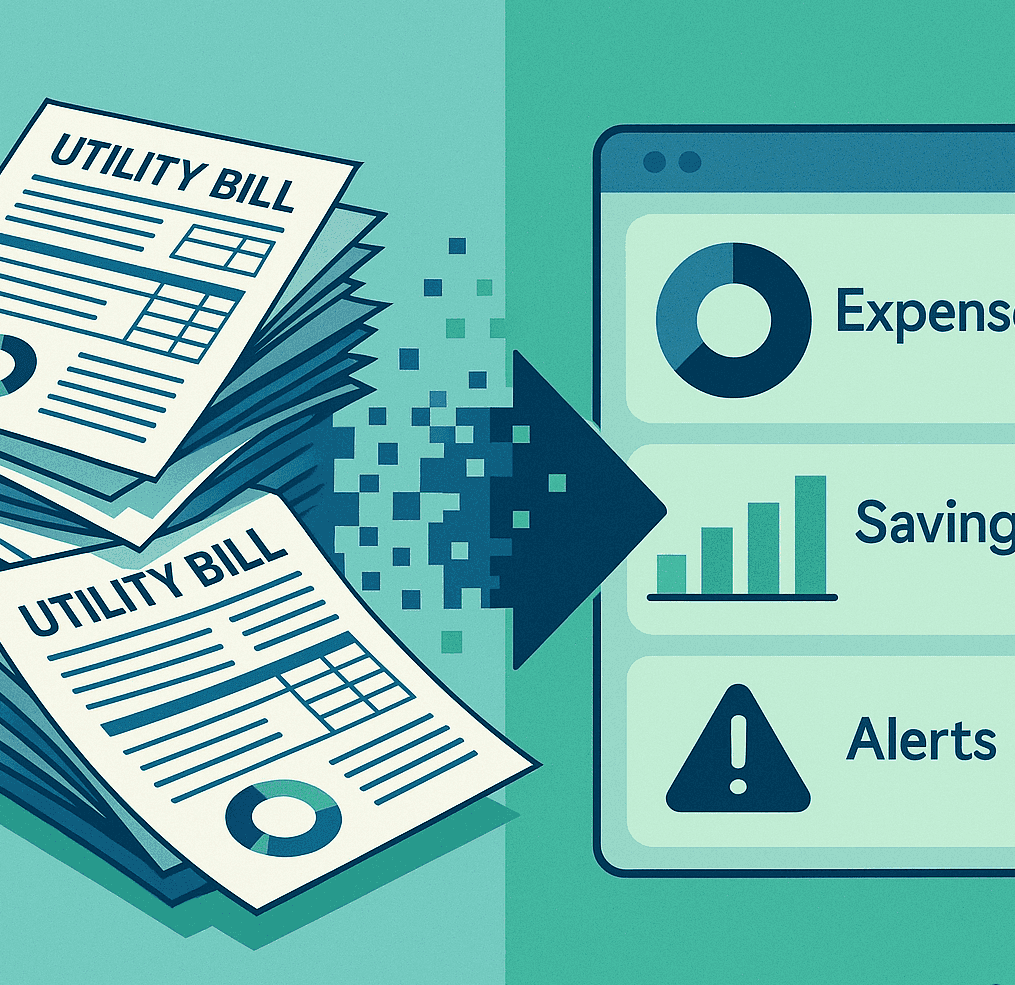
Utility bill management and AI
How AI changes utility bill management, from automated data extraction and anomaly detection to centralized control of utility spend across a portfolio.
Read more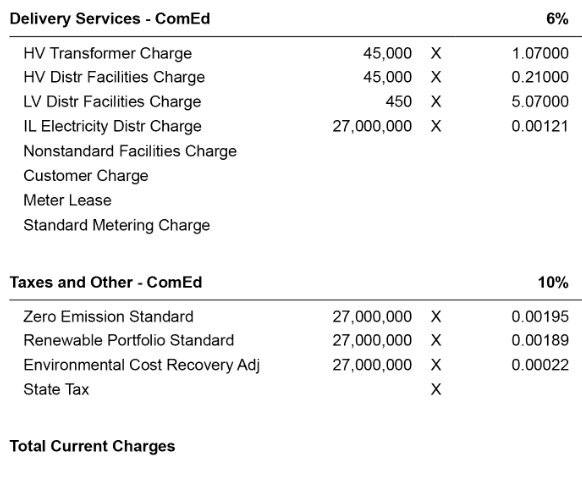
How Nectar parses granular utility cost data
How Nectar separates supply, delivery, and demand charges on every bill, so energy and finance teams can see exactly what drives utility spend.
Read more
Carbon accounting requires accurate utility data collection
Carbon accounting has 3 steps: data collection, emissions calculation, and data reporting. Error rates of 10% in data collection compound into worse error in the CDP report. Garbage in, garbage out.
Read more