Energy and utility management for grocery
Refrigeration runs whether the store is busy or quiet, and it drives both the energy bill and the demand charge. Nectar collects every store account, finds the outliers, and tracks waste and organics next to the utilities.
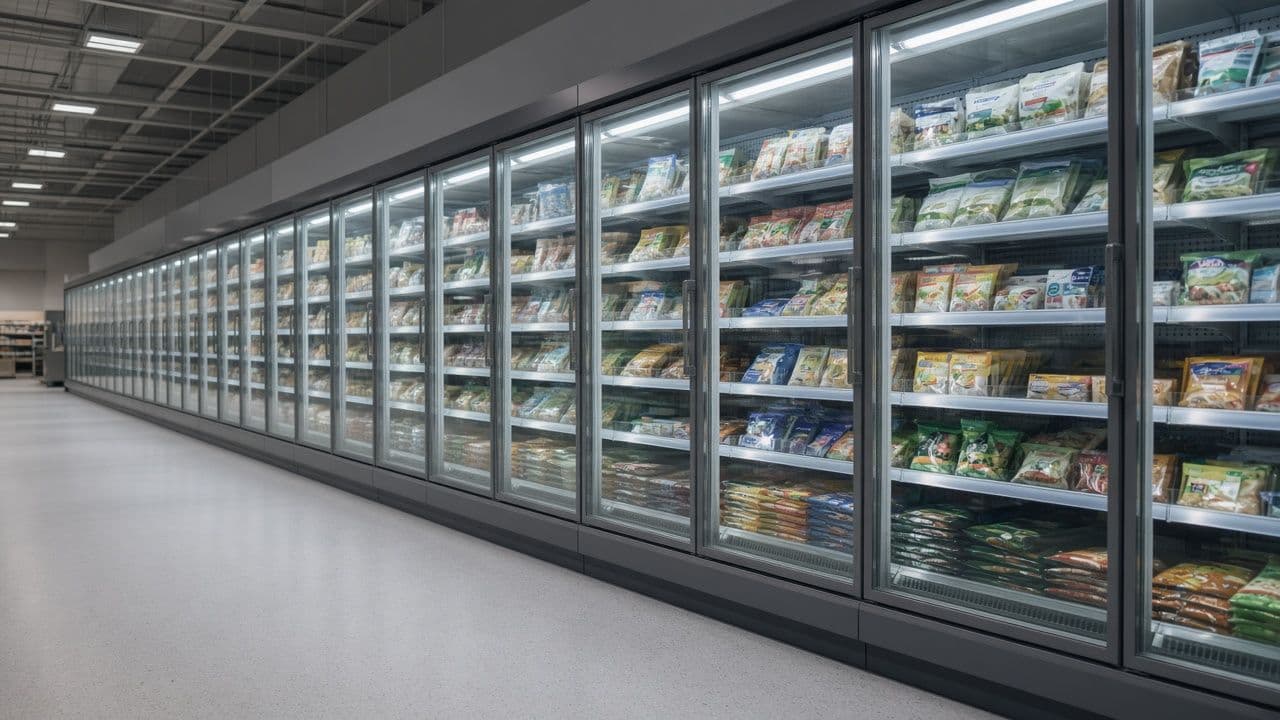
A grocery chain has hundreds of electric, gas, water, and waste accounts, and the stores that look similar on a map do not look similar on a bill. Case refrigeration, store hours, and the local rate schedule decide cost. A store on the wrong tariff, or one whose demand charge was set by a single hot afternoon, can cost far more than the store next to it.
Nectar gives energy and finance teams one view of every store: line-item bills, demand where the utility provides interval data, and waste weights measured rather than estimated.
Challenge
Refrigeration-driven demand is only visible after the bill arrives.
Solution
Interval data, where available, is reconciled with billed demand, and demand-charge alerts go out as each bill is processed, so a store that set a new peak is flagged that month.
Challenge
Store comparisons use totals, so the expensive stores hide in the average.
Solution
Stores are benchmarked on cost, usage, and energy intensity. The outliers on cost per square foot, or per another denominator you set, stand out from the group.
Challenge
Waste and organics are reported from hauler estimates.
Solution
Hauler bills are collected and audited against the contract, and waste is tracked by measured weight, including organics, recycling, and trash.
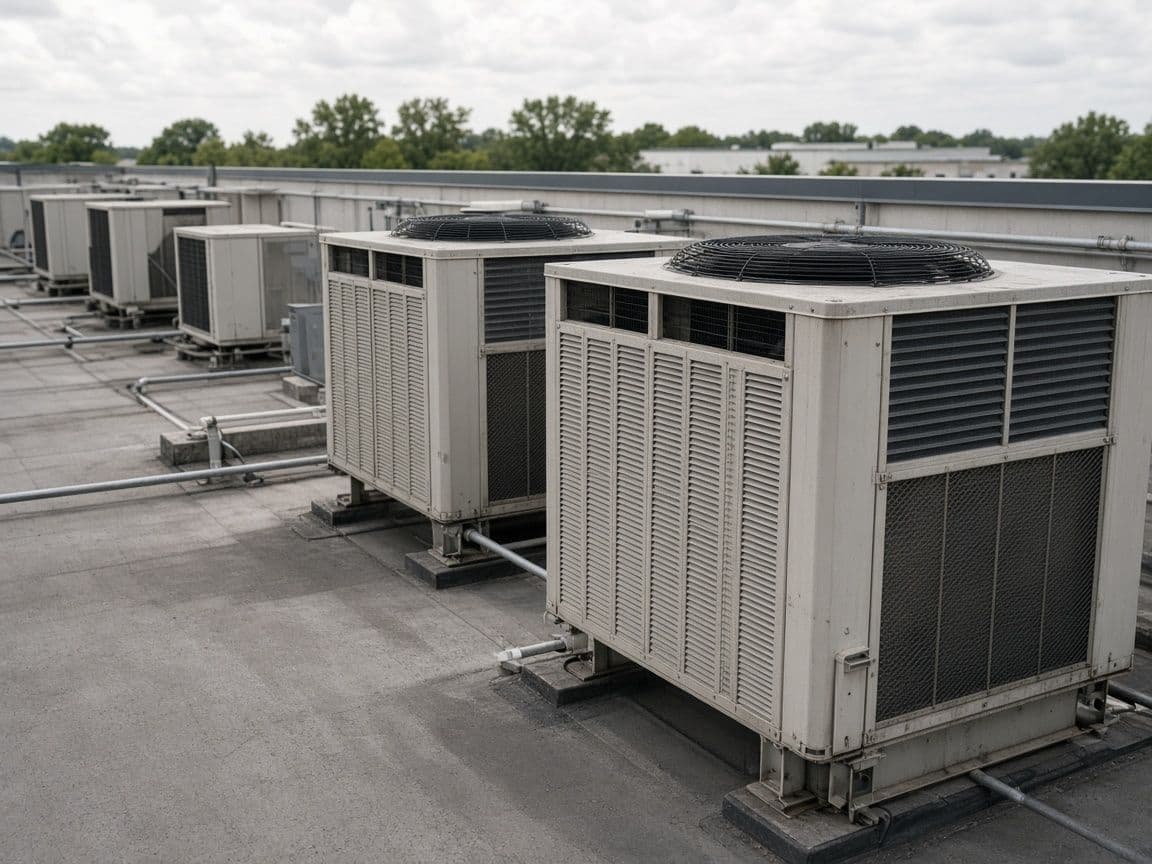
Refrigeration-driven load across every store
Electricity, gas, and water accounts are collected automatically and parsed at 99.2% accuracy. Demand, energy, taxes, and fees are separated, so a high bill can be traced to usage, a demand charge, or a rate.
Once 12 months of data are in, every electric and gas account is reviewed against the rate schedules it qualifies for. Approved changes are submitted and tracked, and a historical audit reviews up to 36 months for errors and missed exemptions.
Waste, organics, and diversion
Waste and recycling accounts sit alongside utilities. Hauler bills are checked for extra pickups, contamination fees, and rate increases, and diversion is reported from measured weights rather than a hauler estimate.
The same store data exports to ENERGY STAR Portfolio Manager and to your carbon accounting platform, so energy and waste reporting start from the bills instead of a yearly data chase.

Why grocery teams choose Nectar

Data
Every store bill parsed at 99.2% accuracy, with demand separated from energy and waste tracked by measured weight.
Automation
Bills collected from 7,000+ utilities, peaks flagged as they are billed, and store data synced to ENERGY STAR and your carbon platform.
Service
Rate reviews, hauler follow-up, human review of flagged bills, and a named customer success manager for the chain.
What changes for grocery teams
The expensive stores are obvious
Before Nectar, stores were compared on total spend. After, intensity and demand show which stores cost more than they should.
→ BenchmarksDemand charges traced to a peak
Before Nectar, a high demand charge was a line on the bill. After, interval data shows the hours that set it.
→ Demand managementOrganics reported from weights
Before Nectar, diversion numbers came from hauler estimates. After, waste streams are tracked from measured weights and audited bills.
→ Waste and recyclingFrequently asked questions
Does Nectar monitor refrigeration cases or controls?
No. Nectar does not sell sensors, case controls, or metering hardware. It uses utility bills and interval data to show cost, demand, and which stores are out of line.
Can Nectar pay store utility bills?
Yes, for US accounts, through regulated payment partners. Bills with errors are held rather than paid. Validated bills can also be delivered to your AP system as coded payables.
How is waste measured?
From hauler bills and the weights they report, not from an estimate. Extra pickups, contamination fees, and rate increases are flagged against the hauler contract.
One platform for every utility decision
Utility bill management, energy cost management and procurement, and sustainability reporting in one system, shared by energy, finance, operations, and sustainability teams.
Utility bill management
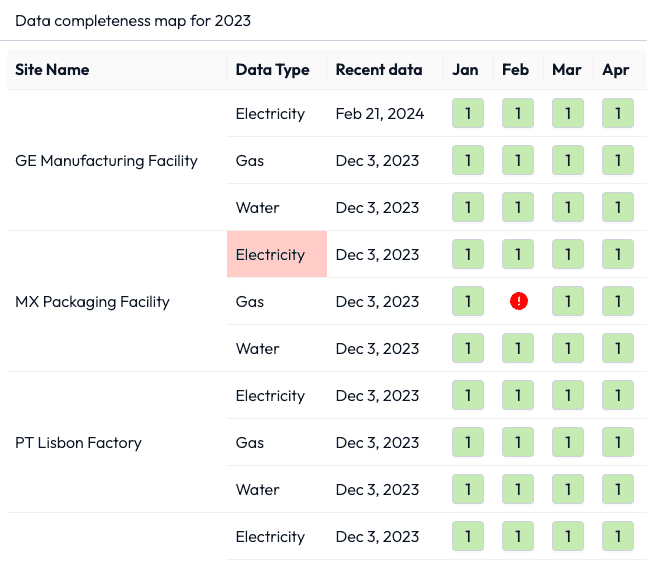
Every bill for every utility, waste, and telecom account collected, parsed at the line-item level, and tracked against its expected date.
Automated bill collectionData completenessAudit trailAI agent and smart reports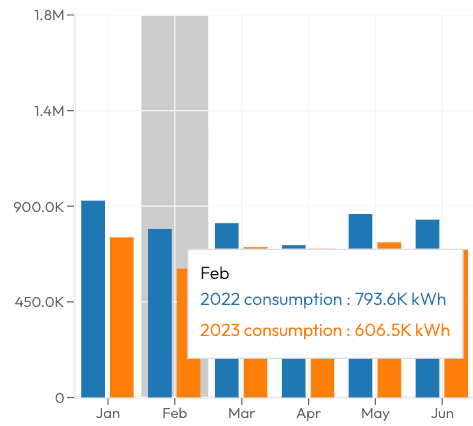
Sustainability reporting and benchmarks
Audit-ready data for ESG reporting, site benchmarks, ENERGY STAR sync, and exports to carbon accounting platforms.
BenchmarksENERGY STAR Portfolio ManagerESG and carbon integrationsWaste and recycling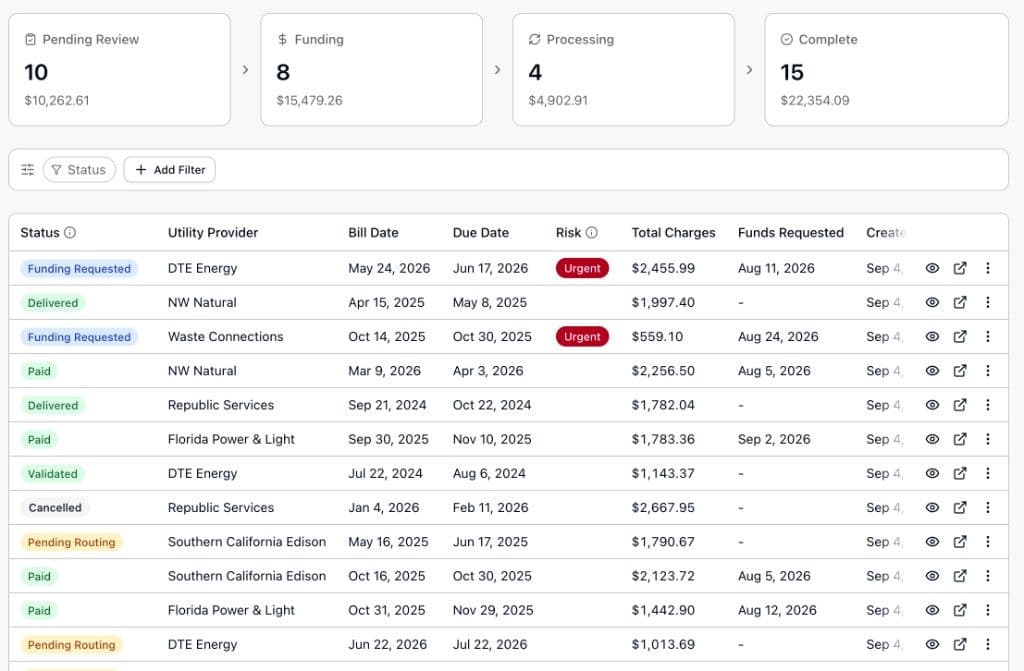
Bill audit, bill pay, and AP
Errors caught before payment, past overcharges recovered, and validated bills paid on time or delivered to your AP system.
Utility bill auditsHistorical bill auditUtility bill paymentsAP and ERP integration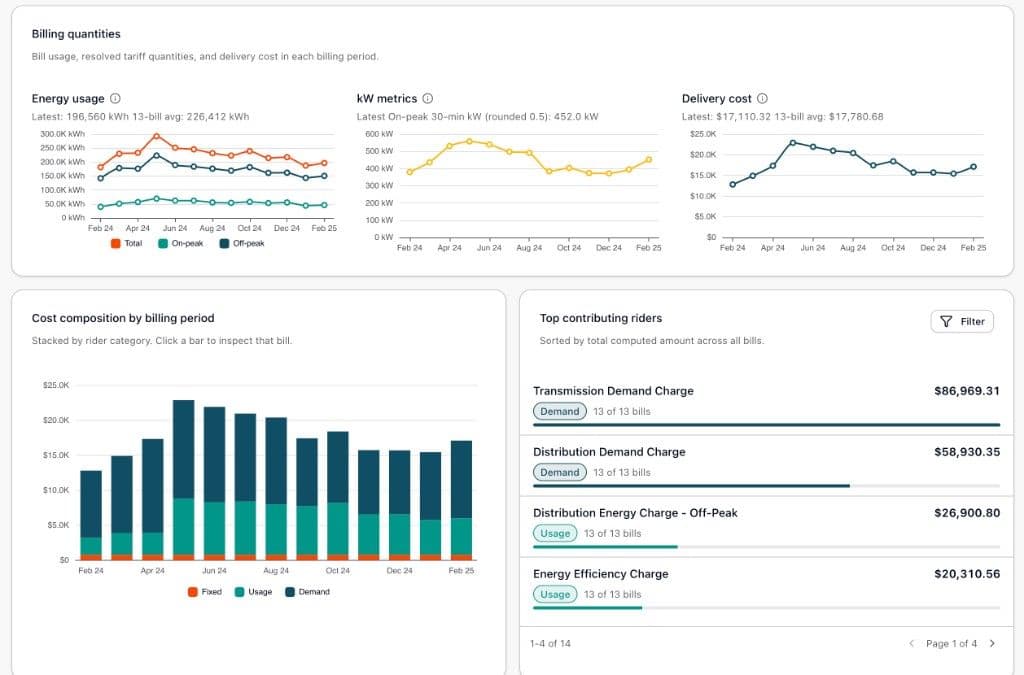
Energy cost management and procurement
Tariff and rate optimization, demand management, and procurement advisory. Customers typically save 3 to 5% of annual utility spend.
Tariff and rate optimizationDemand managementProcurement advisoryBudgeting and forecastsLoved by customers in every industry
Customer StoriesHow Thomas Foods automated more than 90% of its utility data collection
Thomas Foods International uses Nectar to collect and organize utility data across its US facilities, replacing manual bill downloads and spreadsheet entry.
“Using Nectar has significantly streamlined the process of gathering and analyzing our utility data. The platform just works!”

Jonathan R.
Sustainability Director, Thomas Foods Int., USA
Stanwich Energy Boosts Client Value with Nectar's Utility Data Solution
Stanwich Energy announces a new partnership with Nectar to enhance the customer experience through advanced, AI-powered utility data services.
“Partnering with Nectar's AI-driven platform has been groundbreaking, allowing us to tackle changes faster and skip the outdated, painful integration required by other solutions. Having the right information is the first step, and Nectar is exactly what we have been looking for to make that happen.”

Matt Shaw
Managing Director, Stanwich Energy

Jeremy Pike
Sustainability Leader, Idaho Milk Products
“Thanks to Nectar's innovative solution, we can accurately assess our environmental impact, becoming a pioneer in sustainability among our peers.”

John O'Connell
CEO and Founder, Stanwich Energy
“Nectar enables faster insights, smarter forecasting, and more accurate budget tracking. It also strengthens our ability to deliver on key sustainability goals by providing real-time visibility into usage and emissions.”

Matt Greening
Founder and Director, Nettzero
“Nectar serves as a reliable and cost-effective technology solution to extract, store, and analyse sustainability data leading to enhanced reporting capabilities and streamlined workflows.”
Ready to get started with Nectar?
Try your utility bill on our live demo or get in touch
Learn more about Nectar
How hard can data collection get? What has worked for companies? We've got it all covered.
Utility bill management and AI
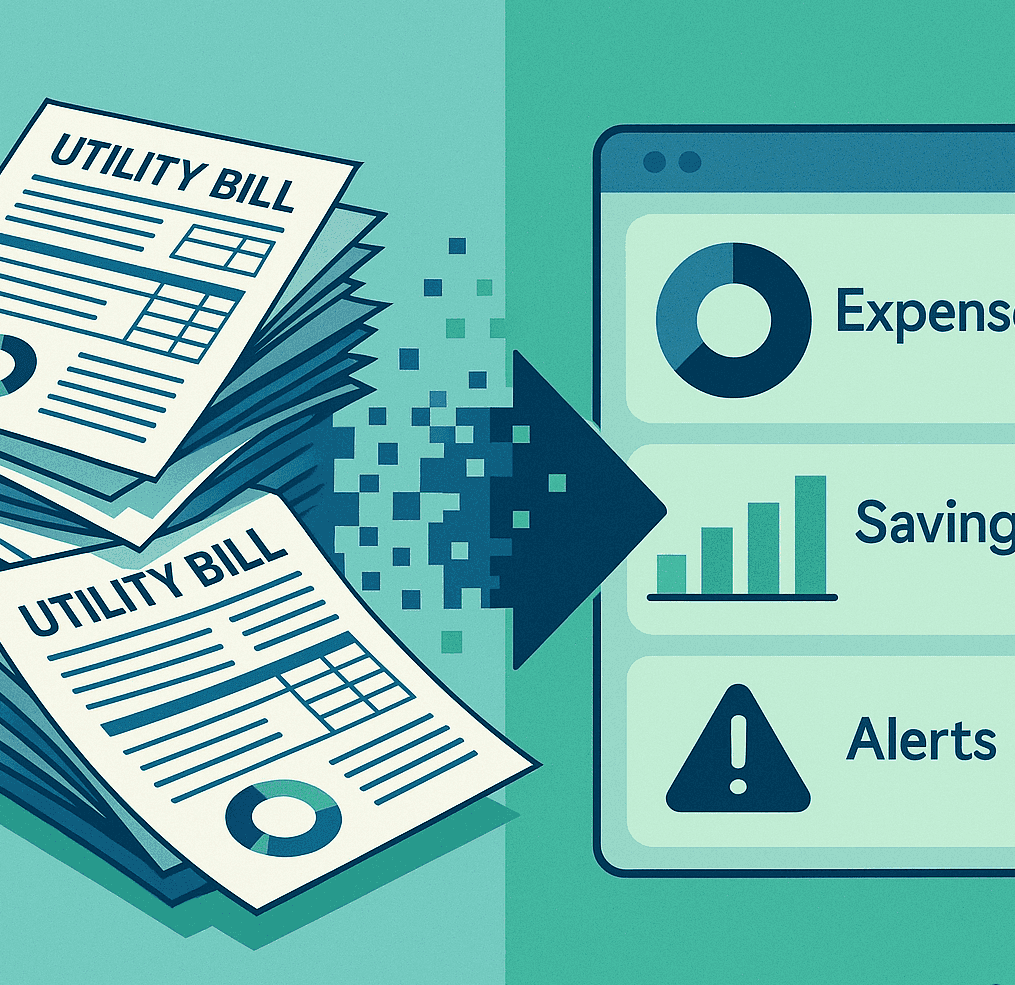
How AI changes utility bill management, from automated data extraction and anomaly detection to centralized control of utility spend across a portfolio.
Read more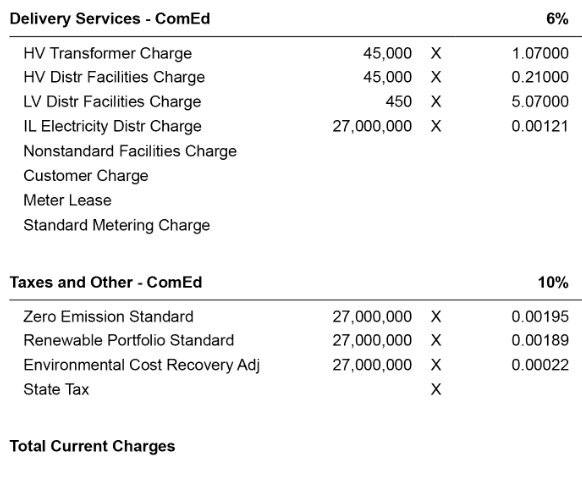
How Nectar parses granular utility cost data
How Nectar separates supply, delivery, and demand charges on every bill, so energy and finance teams can see exactly what drives utility spend.
Read more
Carbon accounting requires accurate utility data collection
Carbon accounting has 3 steps: data collection, emissions calculation, and data reporting. Error rates of 10% in data collection compound into worse error in the CDP report. Garbage in, garbage out.
Read more