Measurabl Alternative | Nectar
While Measurabl focuses on ESG reporting, Nectar provides the complete utility data foundation that makes your ESG reports trustworthy: automated collection, 99.2% parsing accuracy, and data completeness views.

Measurabl is the most widely adopted ESG data platform in commercial real estate, and for GRESB submitters its ecosystem position is difficult to displace. Benchmarking, portfolio ESG reporting, and established data-sharing relationships across the CRE market are all genuine strengths, and for an investor whose primary requirement is real-estate disclosure it is a well-matched purchase.
What it depends on is utility data it does not itself collect at depth. Consumption arrives through feeds, integrations, uploads, or asset managers filling in spreadsheets, and the platform reports on whatever it is given, which is how a portfolio ends up disclosing a total it cannot fully evidence.
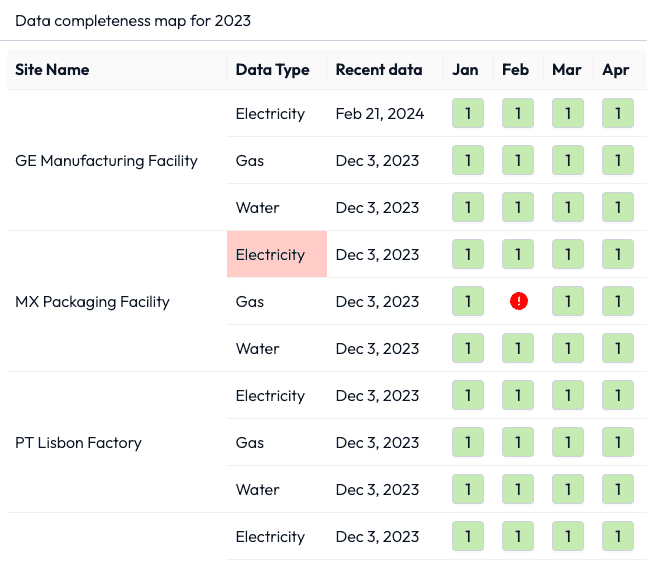
Nectar operates that layer. Direct connections to more than 7,000 providers globally, line-item parsing of demand, supply, delivery, taxes, and fees at 99.2% accuracy, completeness visible at site, account, and meter level, and every reported value linked to its source bill image.
Challenge
ESG reporting tools depend on accurate utility data they cannot verify.
Solution
Nectar provides the auditable data foundation that ESG platforms need, with every data point linked to an original bill.
Challenge
Incomplete data undermines the credibility of sustainability reports.
Solution
Data completeness views ensure 100% coverage before you export to any reporting platform.
Challenge
Gathering utility data for ESG reports is a separate, manual workflow.
Solution
Nectar automates collection from 7,000+ providers and exports directly to ESG platforms, no manual data assembly required.
What GRESB and assurance actually test
A GRESB submission built substantially on estimated data attracts flags, and limited assurance under any framework works the same way: the reviewer samples reported figures and asks what record supports each one. Neither process audits the reporting platform: both test the provenance of individual numbers.
That makes the collection layer decisive. If utility data arrived by spreadsheet or through an integration that discarded the source document, the evidence chain has a hole no methodology closes. Nectar keeps the bill image, the parsed line items, the meter identifiers, and the service period together, and distinguishes collected values from estimates rather than mixing them silently into one total.
Where Nectar fits
Choose Measurabl if GRESB and real-estate ESG disclosure are your primary output and you value its market position and ecosystem. Choose Nectar as the layer beneath it when the utility inputs are incomplete, manually assembled, or impossible to trace back to a source document, because that is what the submission is actually tested on.
Frequently asked questions
Does Nectar replace Measurabl?
For most real-estate portfolios, no. Measurabl produces the benchmarking and GRESB output; Nectar guarantees the utility data feeding it. We export to 20+ carbon, ESG, and ERP integrations and sync to ENERGY STAR Portfolio Manager for exactly that reason.
How do we tell whether our current data is metered or estimated?
Ask your platform to show you, per asset and period, which values were collected and which were estimated. Many will not distinguish. Nectar makes that explicit in the completeness view because it is the first thing an assurance provider probes.
Can Nectar cover non-real-estate assets in the same organization?
Yes. There are no asset-class assumptions in the data model, so manufacturing, healthcare, retail, and office sites run on the same platform with one completeness view, which matters for owners whose portfolio is not purely real estate.
What about water and waste?
Covered, along with steam, fuel, and solar where they appear on utility billing. Most benchmarking programs require whole-building energy and often water, so partial commodity coverage leaves a gap in the submission.
One platform for every utility decision
Utility bill management, energy cost management and procurement, and sustainability reporting in one system, shared by energy, finance, operations, and sustainability teams.
Utility bill management
Every bill for every utility, waste, and telecom account collected, parsed at the line-item level, and tracked against its expected date.
Automated bill collectionData completenessAudit trailAI agent and smart reports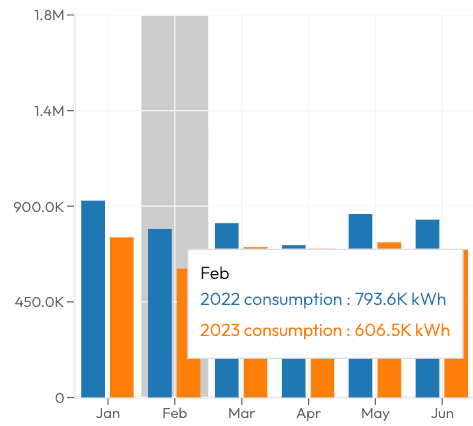
Sustainability reporting and benchmarks
Audit-ready data for ESG reporting, site benchmarks, ENERGY STAR sync, and exports to carbon accounting platforms.
BenchmarksENERGY STAR Portfolio ManagerESG and carbon integrationsWaste and recycling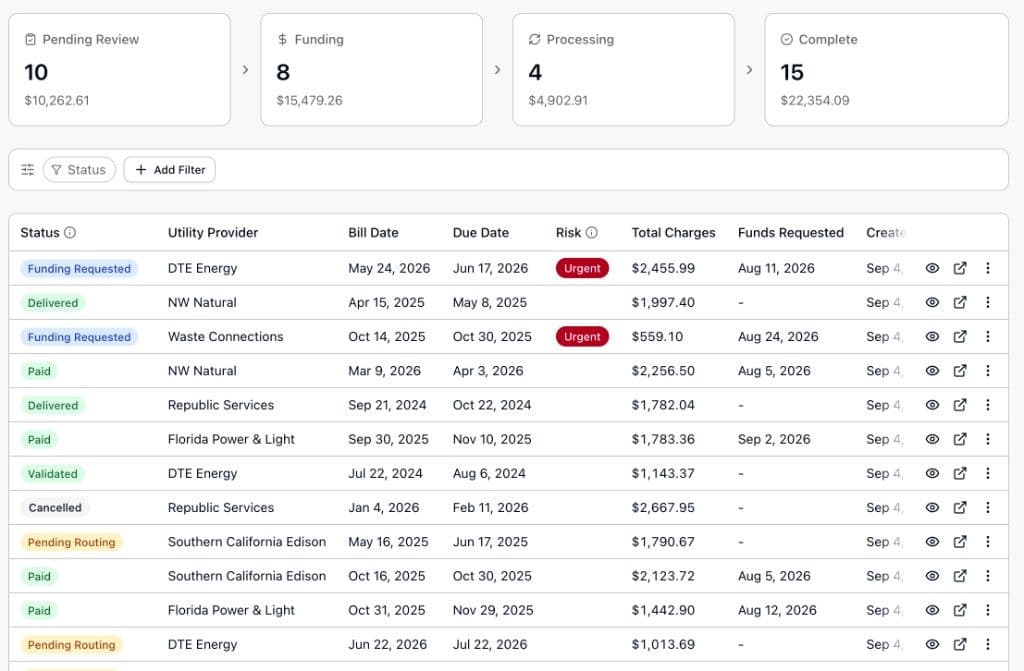
Bill audit, bill pay, and AP
Errors caught before payment, past overcharges recovered, and validated bills paid on time or delivered to your AP system.
Utility bill auditsHistorical bill auditUtility bill paymentsAP and ERP integration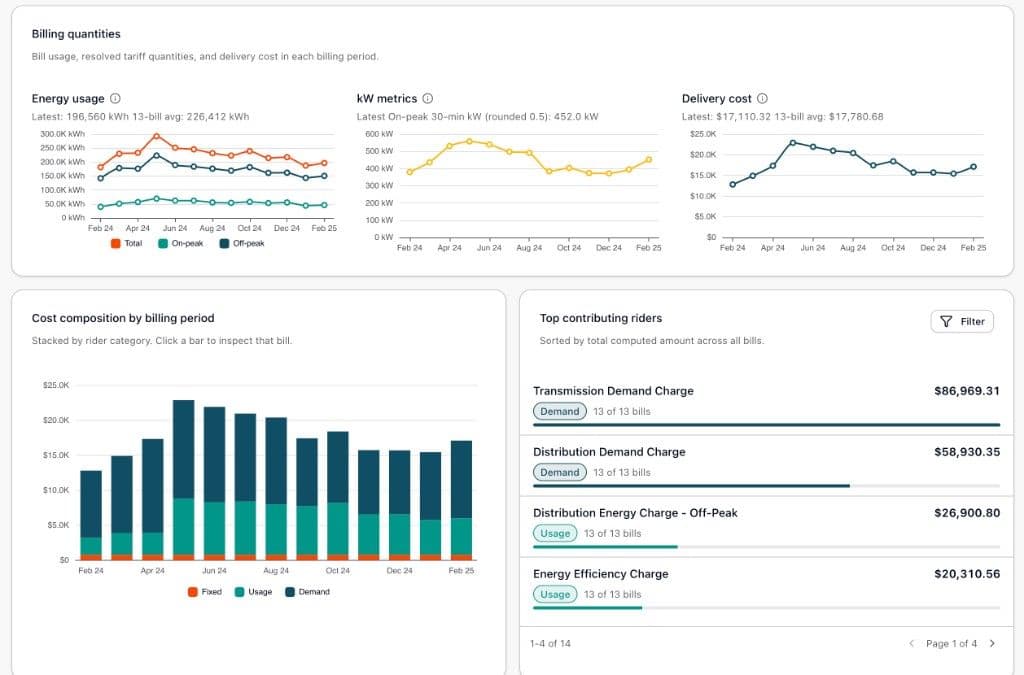
Energy cost management and procurement
Tariff and rate optimization, demand management, and procurement advisory. Customers typically save 3 to 5% of annual utility spend.
Tariff and rate optimizationDemand managementProcurement advisoryBudgeting and forecastsLoved by customers in every industry
Customer StoriesHow Thomas Foods automated more than 90% of its utility data collection
Thomas Foods International uses Nectar to collect and organize utility data across its US facilities, replacing manual bill downloads and spreadsheet entry.
“Using Nectar has significantly streamlined the process of gathering and analyzing our utility data. The platform just works!”

Jonathan R.
Sustainability Director, Thomas Foods Int., USA
Stanwich Energy Boosts Client Value with Nectar's Utility Data Solution
Stanwich Energy announces a new partnership with Nectar to enhance the customer experience through advanced, AI-powered utility data services.
“Partnering with Nectar's AI-driven platform has been groundbreaking, allowing us to tackle changes faster and skip the outdated, painful integration required by other solutions. Having the right information is the first step, and Nectar is exactly what we have been looking for to make that happen.”

Matt Shaw
Managing Director, Stanwich Energy

Jeremy Pike
Sustainability Leader, Idaho Milk Products
“Thanks to Nectar's innovative solution, we can accurately assess our environmental impact, becoming a pioneer in sustainability among our peers.”

John O'Connell
CEO and Founder, Stanwich Energy
“Nectar enables faster insights, smarter forecasting, and more accurate budget tracking. It also strengthens our ability to deliver on key sustainability goals by providing real-time visibility into usage and emissions.”

Matt Greening
Founder and Director, Nettzero
“Nectar serves as a reliable and cost-effective technology solution to extract, store, and analyse sustainability data leading to enhanced reporting capabilities and streamlined workflows.”
Ready to get started with Nectar?
Try your utility bill on our live demo or get in touch
Learn more about Nectar
How hard can data collection get? What has worked for companies? We've got it all covered.
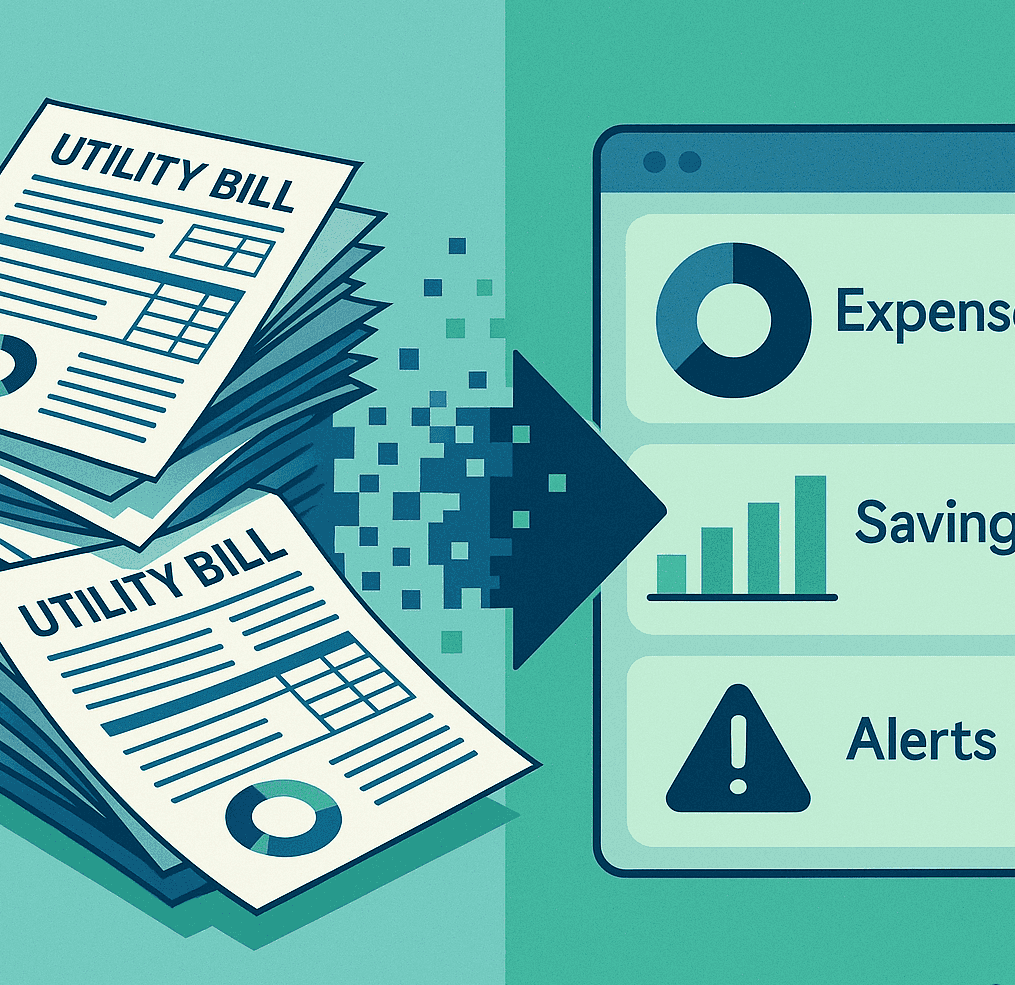
Utility bill management and AI
How AI changes utility bill management, from automated data extraction and anomaly detection to centralized control of utility spend across a portfolio.
Read more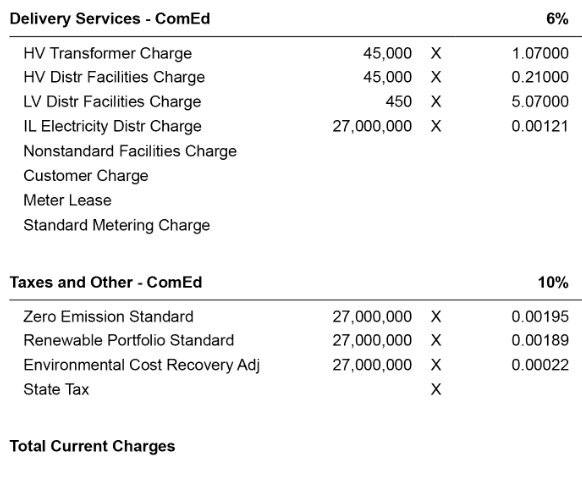
How Nectar parses granular utility cost data
How Nectar separates supply, delivery, and demand charges on every bill, so energy and finance teams can see exactly what drives utility spend.
Read more
Carbon accounting requires accurate utility data collection
Carbon accounting has 3 steps: data collection, emissions calculation, and data reporting. Error rates of 10% in data collection compound into worse error in the CDP report. Garbage in, garbage out.
Read more